One of the most common criticisms of early blockchains was simple: they could be slow and expensive to use during busy periods. As more people joined networks, transaction fees rose and confirmation times increased.
This created a challenge. Blockchains were designed to be secure and decentralized, but scaling them without weakening those qualities is not easy.
That’s where Layer 2 solutions come in. Understanding Layer 2 blockchain scaling explained helps clarify how networks can grow while keeping their core structure intact.
The Core Problem: Congestion
Public blockchains process transactions in blocks, and each block has limited space. When demand is low, this works smoothly. When demand spikes, competition for space increases.
Users may pay higher fees to prioritize their transactions. For everyday use cases — like small payments or frequent interactions — this can be impractical.
Scaling isn’t just about speed. It’s about maintaining usability as adoption grows.
What “Layer 2” Actually Means
Layer 1 refers to the main blockchain itself — the base layer where transactions are recorded and secured.
Layer 2 refers to systems built on top of the base layer. Instead of every action being processed directly on the main chain, many transactions occur off the main chain and are later settled or verified there.
This reduces congestion on the base network while preserving its security foundation.
How Layer 2 Solutions Work
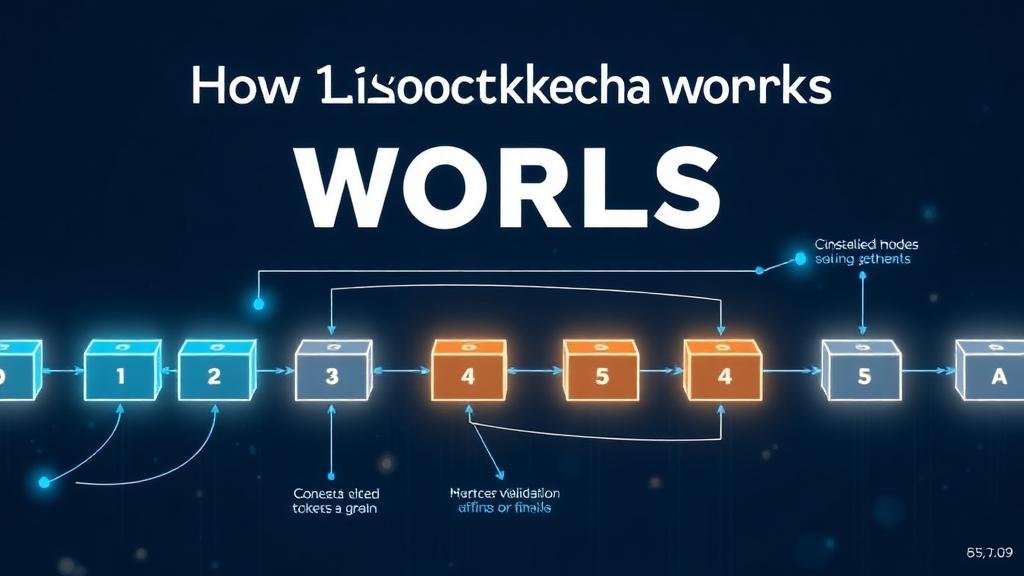
While designs vary, the general idea is similar: move activity away from the main chain when possible, then anchor results back to it.
Some systems bundle many transactions together and submit a summary to the base chain. Others create parallel environments where users can transact more freely before final settlement.
The key is that Layer 2 solutions still rely on the base blockchain for security and finality.
Why This Improves Speed and Cost
Processing fewer transactions directly on the main chain reduces competition for block space. This can lower fees and improve confirmation times for users.
Layer 2 systems can handle a higher volume of transactions because they don’t require every action to be individually recorded on Layer 1.
For users, this can make blockchain applications feel more like traditional digital services in terms of responsiveness.
Security Still Depends on the Base Layer
A common question is whether Layer 2 sacrifices security. The goal is to extend capacity without weakening trust.
Most Layer 2 designs rely on the base blockchain to resolve disputes, verify data, or finalize outcomes. This connection helps maintain the security guarantees of the underlying network.
However, each system has its own assumptions and trade-offs, so understanding how a specific solution works is important.
Trade-Offs Are Part of the Design
Layer 2 scaling is not free of complexity.
Users may need to move assets between layers. Different solutions may have different rules or compatibility. Technical design choices can influence decentralization and user experience.
These trade-offs reflect the broader challenge of balancing scalability, security, and decentralization — often called the “blockchain trilemma.”
Why This Matters for Real-World Use
For blockchains to support large-scale applications — payments, gaming, financial services — performance matters.
Layer 2 solutions help bridge the gap between the secure but limited capacity of base chains and the demands of millions of users.
They make it more practical for people to interact frequently without being priced out by high fees.
Why U.S. Readers Should Care
In the United States, people are used to fast digital payments and responsive apps. For blockchain technology to compete in everyday use, it must meet similar expectations.
Layer 2 systems are part of how the ecosystem works toward that goal. They aim to make decentralized networks usable at scale without relying entirely on centralized alternatives.
The Bigger Picture
Layer 2 solutions show that blockchain technology evolves through layers rather than simple upgrades. Instead of changing the base system dramatically, additional layers handle specialized tasks.
This layered approach mirrors how the internet itself developed — with multiple protocols working together.
The Bottom Line
Layer 2 scaling solutions help blockchains process more activity while keeping the base layer secure and decentralized.
By moving many transactions off the main chain and settling results back on it, these systems aim to reduce fees, increase speed, and improve usability.
They are not a complete solution to every scaling challenge, but they are a major step in making blockchain technology more practical for everyday use.